
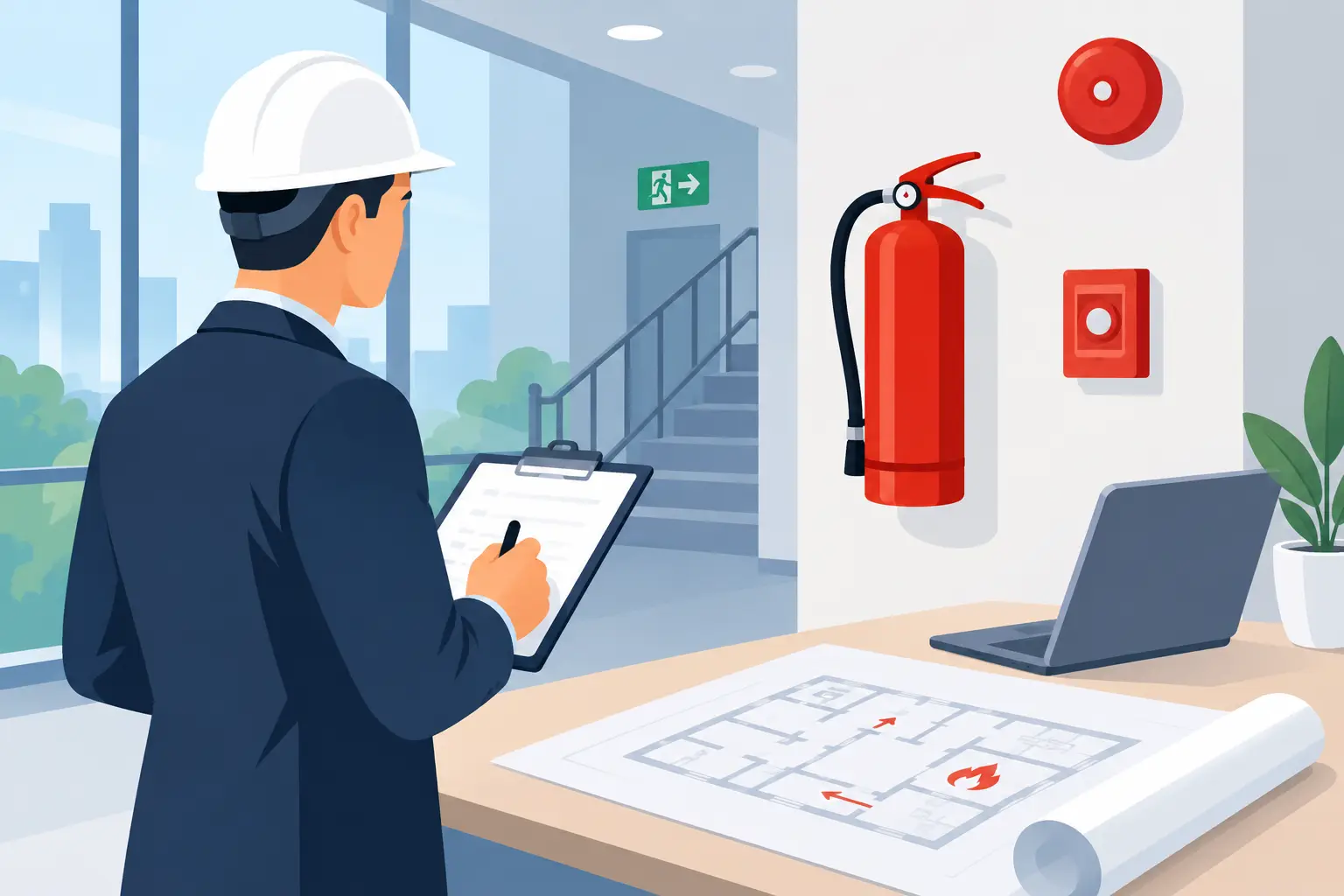
When to Appoint a Fire Safety Consultant
A fire safety consultant is not simply there to produce a document for a compliance file. The right consultant helps the responsible person understand how a building is used, where a fire could start, how people would escape, and which improvements deserve urgent attention. For landlords, facilities managers, business owners and managing agents, that practical clarity can make the difference between a manageable action plan and an overlooked risk.
Fire safety duties can feel complex, particularly in occupied buildings with varied users, changing layouts, contractors or older construction. A professional assessment brings those considerations together into a clear, evidence-based view of the premises. It also gives duty holders a defensible record that they have taken reasonable steps to protect people and meet their legal responsibilities.
What a fire safety consultant does
A competent consultant examines the fire precautions within a building and considers whether they remain suitable for the people at risk. This normally begins with a fire risk assessment, but the work may also include detailed fire door assessments or compartmentation surveys where concerns require closer inspection.
The inspection considers more than visible fire extinguishers and alarm call points. It looks at potential ignition sources, combustible materials, housekeeping, escape routes, emergency lighting, fire warning arrangements, signage, staff procedures and the condition of passive fire protection. The consultant then records significant findings, evaluates the level of risk and sets out proportionate actions.
Good advice should be specific to the premises. A small office with a single escape route has different risks from a converted block of flats, a care setting, a warehouse or a mixed-use property with commercial space below residential accommodation. Generic recommendations may look comprehensive, but they can miss the conditions that matter most in a real emergency.
When you should appoint a fire safety consultant
The responsible person must ensure a suitable and sufficient fire risk assessment is in place and kept under review. In straightforward, low-risk settings, an experienced responsible person may be able to complete parts of this work internally. However, professional support is often the sensible choice where there is limited in-house competence, the building is complex, or the consequences of getting it wrong are significant.
External advice is particularly valuable after material changes. This could include a refurbishment, a change of use, altered occupancy levels, new sleeping accommodation, building works that affect walls or ceilings, or changes to escape routes. A review is also needed when a fire, near miss or enforcement concern exposes a weakness in existing arrangements.
Many property professionals appoint a consultant because their current assessment is too brief, out of date or unclear about what must happen next. An assessment should not leave the reader with a vague statement that improvements are needed. It should identify the issue, explain the risk, assign a sensible priority and help the duty holder plan corrective action.
Fire doors and compartmentation need closer attention
A building's passive fire protection is designed to slow the spread of smoke and fire, protect escape routes and create time for evacuation and fire-fighting response. It is often hidden within the structure, which makes defects easy to overlook during routine property inspections.
Fire doors are a common example. A door may appear sound at first glance while having excessive gaps, damaged seals, unsuitable ironmongery, poor self-closing action or alterations that compromise its fire-resisting performance. In residential blocks and other higher-risk settings, regular checks and properly recorded assessments are especially important.
Compartmentation is equally critical. Fire-resisting walls, floors, ceilings and service penetrations should form effective barriers. Unsealed openings around pipes and cables, poorly completed works, damaged fire stopping and unprotected voids can allow smoke and fire to travel far beyond the point of origin. A compartmentation survey can identify these issues and provide the evidence needed to organise appropriate remedial work.
There is a practical trade-off here. Not every building requires an intrusive survey immediately, and unnecessary works create cost and disruption. But where the building's history is uncertain, where there has been extensive alteration, or where visible defects suggest wider problems, a more detailed investigation can be the proportionate and responsible decision.
What to expect from a thorough assessment
A professional visit should begin with an understanding of the premises, its occupants and how it operates day to day. The consultant may ask about maintenance records, previous assessments, fire incidents, evacuation arrangements, staff training and planned changes. This context matters because a fire strategy that works on paper may fail if it does not reflect how the building is actually managed.
During the inspection, the consultant should have access to relevant areas, including shared escape routes, plant rooms, storage spaces and risers where appropriate. Restrictions on access should be recorded, as inaccessible areas may limit the conclusions that can reasonably be reached.
The written report should be clear enough for a duty holder to use. It should distinguish urgent life-safety matters from lower-priority improvements, describe the action required and support a realistic programme of work. It should also help establish who is responsible for each action, whether that is a landlord, managing agent, employer, contractor or another party with control over part of the premises.
A certificate or report alone does not make a building safe. The value comes from acting on the findings, retaining evidence of completed work and reviewing the assessment when circumstances change. This is where accessible consultancy support is useful: it turns technical observations into practical next steps rather than leaving clients to interpret a complex report alone.
Choosing the right fire safety consultant
Competence, independence and communication should carry as much weight as price. A low initial fee can be poor value if the report is generic, the inspection is rushed or the recommendations are impossible to apply. Equally, the most expensive option is not automatically the best. The aim is a thorough assessment that is proportionate to the building and gives the responsible person a clear route to compliance.
Ask what the scope will cover, whether the consultant has relevant certification and experience, and how findings will be prioritised. It is also reasonable to ask whether fire doors and compartmentation can be assessed where required, rather than arranging separate inspections without a joined-up view of the premises.
Local knowledge can be helpful for clients managing properties across several sites. Kent and Sussex FRA provides tailored fire risk assessments, fire door assessments and compartmentation surveys for premises across Kent, East Sussex and West Sussex, with clear advice designed to support practical compliance decisions.
Turning findings into safer premises
Once the assessment is complete, start with any urgent actions that could affect safe escape or allow fire and smoke to spread quickly. Keep a simple action tracker, record completed works and retain supporting documents such as invoices, photographs, test records and contractor reports. This creates a useful audit trail and makes future reviews more efficient.
Fire safety also depends on everyday management. Escape routes must remain clear, fire doors must not be wedged open, storage must be controlled, and staff or residents must know what to do in an emergency. These routine measures are often inexpensive, but their effectiveness relies on consistent oversight.
A well-chosen consultant provides more than reassurance at the point of inspection. They give responsible persons a clearer basis for protecting occupants, preserving property and demonstrating that fire safety is being managed with care. The most useful next step is to review whether your current assessment still reflects the building as it is now, not as it was when the report was first written.


Comments